
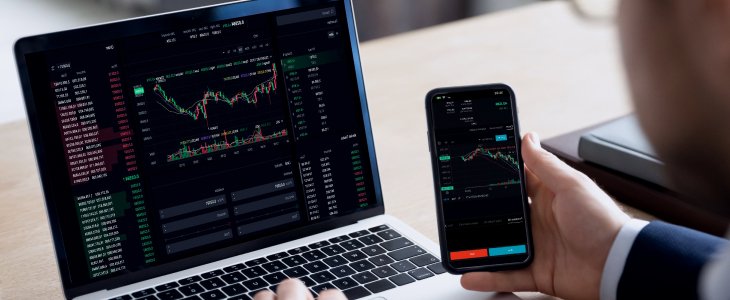
The advent of technology has brought significant changes to various industries, and the foreign exchange market is no exception. Robot trading, also known as algorithmic trading or automated trading, is becoming increasingly popular among Forex traders. These algorithms are designed to analyze market conditions, execute trades, and manage risk without human intervention. This article will delve into robot trading in Forex, highlighting its benefits, potential pitfalls, and how platforms like robot trading forex FX Trading Broker make it accessible to traders of all levels.
Understanding Robot Trading
Robot trading in Forex involves the use of software programs that analyze various market factors to make trading decisions. These programs are based on specific algorithms that can interpret market data faster and more accurately than a human trader can. By processing vast amounts of information, robots can identify patterns, trends, and potential trading opportunities.
The Advantages of Robot Trading
1. Speed and Efficiency: One of the most significant advantages of robot trading is speed. Robots can analyze data and execute trades in milliseconds, allowing traders to capitalize on opportunities that would be missed if done manually.
2. Emotion-Free Trading: Emotions can negatively impact decision-making in trading. Robot trading eliminates emotional biases, as trades are executed based purely on pre-set algorithms and market conditions.
3. Backtesting Capability: Most trading robots can backtest their strategies using historical data. This allows traders to evaluate a robot’s performance over time and refine their trading strategies without financial risk.
4. 24/7 Market Monitoring: The Forex market operates 24 hours a day, five days a week. Robots can monitor the market continuously, allowing traders to take advantage of opportunities that arise even outside of normal trading hours.
Types of Forex Trading Robots
There are several types of trading robots available, each designed for different trading strategies and market conditions.
1. Scalping Robots: These robots aim to profit from small price movements and typically execute many trades within a single day.
2. Trend-Following Robots: These bots are designed to identify and follow market trends, buying when markets are rising and selling when they are falling.
3. Mean Reversion Robots: These algorithms operate on the principle that prices will revert to their mean value over time, identifying when to buy low and sell high.
4. Arbitrage Robots: These robots exploit price discrepancies between different brokers or trading platforms, allowing traders to profit from arbitrage.
Key Considerations When Choosing a Forex Robot
While automated trading can provide significant advantages, it’s crucial to choose the right robot. Here are some factors to consider:
1. Reliability: Research the performance and reputation of the robot. Look for reviews and user experiences to determine its reliability.

2. Customization: A good trading robot should offer customization options to tailor its settings to your trading style.
3. Customer Support: Ensure that the provider offers solid customer support in case you encounter issues.
4. Cost: Consider the pricing models—some robots operate on a subscription basis, while others may require a one-time payment.
Implementing a Forex Robot
Once you have selected the appropriate robot, implementing it is relatively straightforward. Most trading platforms, including FX Trading Broker, provide the necessary infrastructure to allow for easy integration of trading robots. Here’s a general guide to implementing a Forex trading robot:
1. Download and Install: Start by downloading the robot software and installing it on your trading platform.
2. Set Up Trading Parameters: Configure the robot’s trading parameters according to your risk tolerance and trading strategy.
3. Connect to Your Trading Account: Link the robot to your trading account, usually done through the trading platform.
4. Monitor Performance: Even though the robot is doing the trading, it’s essential to monitor its performance regularly and make adjustments as needed.
Potential Risks of Robot Trading
While robot trading offers numerous benefits, it’s not without risks. Here are some considerations to keep in mind:
1. Technical Failures: Reliance on technology means that any technical issues can disrupt trading. Traders must ensure their internet connections and trading software are reliable.
2. Lack of Flexibility: Robots follow the programmed strategies and may not adapt to sudden market changes as quickly as a human trader might.
3. Over-Optimization: The practice of optimizing a robot based on past performance can sometimes lead to poor outcomes in real market conditions, a phenomenon known as curve-fitting.
The Future of Forex Robot Trading
As technology continues to advance, the future of robot trading in Forex looks promising. Artificial intelligence and machine learning are set to play significant roles in enhancing the capabilities of trading robots. These advancements will enable robots to analyze data more intelligently and identify patterns that were previously undetectable. Traders can expect even more refined and effective algorithms, leading to improved trading outcomes.
Conclusion
Robot trading in Forex is reshaping how traders approach the market. With its ability to execute trades with speed and precision, it provides opportunities for both novice and experienced traders. However, like any trading strategy, it comes with its own set of risks and considerations. It’s essential for traders to choose the right robot, understand its functionality, and continuously monitor its performance. By doing so, traders can effectively leverage the power of automation in their trading strategies and potentially increase their profitability in the Forex market.
