

The Ultimate Guide to Online Forex Trading
Online forex trading has become increasingly popular in recent years, allowing individual traders to participate in the global currency market with ease. Each day, trillions of dollars exchange hands in the forex market, making it the largest financial market in the world. Understanding how to navigate this complex environment can be the key to financial success. In this guide, we will cover the fundamentals of online forex trading, essential strategies, and considerations to keep in mind as you dive into this exciting field. If you’re looking for trustworthy resources, check out online forex trading South Africa Brokers for more information.
What is Forex Trading?
Forex trading, or foreign exchange trading, involves buying and selling currencies with the aim of making a profit. The forex market operates 24 hours a day, five days a week, allowing traders to engage in trading at any time. Currencies are traded in pairs, with each pair representing the value of one currency relative to another. For example, in the EUR/USD pair, the euro is the base currency, and the US dollar is the quote currency. If you believe the euro will strengthen against the dollar, you would buy the EUR/USD pair; if you believe the opposite, you would sell it.
The Importance of Currency Pairs
Understanding currency pairs is critical in forex trading. The most commonly traded pairs fall into three categories: major pairs, minor pairs, and exotic pairs. Major pairs, like EUR/USD and USD/JPY, typically have higher liquidity and lower spreads compared to minor and exotic pairs. Minor pairs like GBP/CAD or AUD/NZD generally have less trading volume, while exotic pairs like USD/SGD or EUR/HUF are less liquid and may come with wider spreads. Choosing the right currency pair according to your trading style and market knowledge can significantly impact your trading success.
Choosing the Right Broker
Selecting a reliable forex broker is crucial for your trading journey. A good broker should be regulated, provide an intuitive trading platform, high liquidity, competitive spreads, and quality customer service. Look for brokers that offer demo accounts so you can practice trading before committing real funds. Additionally, it’s essential to consider the trading costs associated with your broker, including spreads, commissions, and overnight fees, as these can significantly affect your profitability.
Trading Strategies
Developing an effective trading strategy is vital in the forex market. Here are some common strategies that traders use:

1. Day Trading
Day trading involves opening and closing trades within the same trading day. Day traders aim to capitalize on intraday price movements, often closing out positions before the market closes to avoid overnight risks. This strategy requires a strong understanding of technical analysis and quick decision-making skills.
2. Swing Trading
Swing trading takes a longer-term approach, where trades can be held from several days to weeks. Traders focus on capturing price “swings” or trends in the market, using technical and fundamental analysis to make informed decisions.
3. Scalping
Scalping is a high-frequency trading strategy where traders make numerous small profits from minor price changes over short periods. It requires a disciplined approach, quick execution, and a thorough understanding of market dynamics.
Risk Management
Regardless of your trading strategy, implementing effective risk management is essential in forex trading. Here are a few key practices to consider:
- Set Stop-Loss Orders: Stop-loss orders help limit potential losses by automatically closing a position when it reaches a specified loss threshold.
- Use Proper Position Sizing: Determine the size of your trades based on your overall capital and risk tolerance. Avoid risking a significant percentage of your trading account on a single trade.
- Diversification: Diversifying your trades across multiple currency pairs can help reduce risk and enhance potential returns.
Understanding Market Analysis
Successful forex trading requires the ability to analyze market trends and make informed decisions. There are two primary types of analysis used by traders:
1. Fundamental Analysis
Fundamental analysis focuses on economic indicators, interest rates, and geopolitical events that can influence currency values. Keeping abreast of economic news and reports can provide insight into potential market movements.
2. Technical Analysis
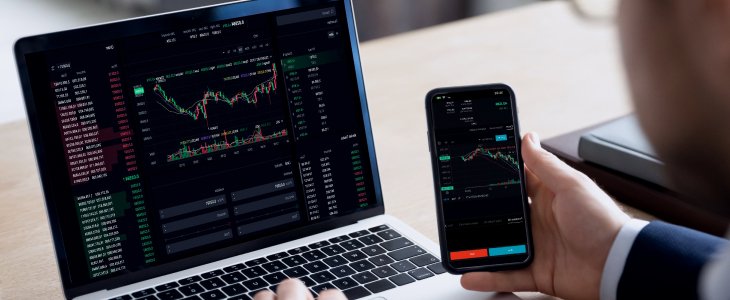
Technical analysis relies on historical price data and chart patterns to forecast future price movements. Utilizing tools such as trend lines, moving averages, and oscillators can help traders identify entry and exit points.
The Role of Emotion in Trading
Emotions can significantly impact trading performance. Fear and greed often lead traders to make impulsive decisions, resulting in losses. Developing a disciplined trading plan and adhering to it can help mitigate emotional influences. Additionally, keeping a trading journal to track your decisions and emotions can provide valuable insights into your trading behavior.
Conclusion
Online forex trading presents vast opportunities for profit, but it also carries inherent risks. By understanding the fundamentals of the market, selecting a reputable broker, and implementing sound strategies and risk management practices, you can navigate the complexities of forex trading successfully. Whether you are a novice or an experienced trader, continuous learning and adaptation will remain crucial as you strive for success in the dynamic world of forex trading.
