

Maximizing Your Success in Forex Trading: Strategies for Profit
Forex trading, the act of buying and selling currencies, has become a popular avenue for investors looking to profit in the financial markets. forex trading profit Trading Platform QA With a daily trading volume exceeding $6 trillion, the foreign exchange market offers remarkable opportunities, but it also presents substantial risks. This article will delve into the essential strategies that can help traders maximize their profits while managing risks effectively.
Understanding Forex Trading
Forex, short for foreign exchange, involves trading one currency for another. Exchange rates fluctuate continuously due to economic indicators, geopolitical events, and trader sentiment. To succeed in Forex trading, it’s crucial to understand the market’s dynamics and what drives currency values.
Key Concepts in Forex Trading
- Currency Pairs: Forex trading always involves two currencies, known as a currency pair. The first currency is the base currency, while the second is the quote currency. For example, in the currency pair EUR/USD, the Euro is the base currency and the US Dollar is the quote currency.
- Pips: A pip (percentage in point) is the smallest price move that a given exchange rate can make based on market convention.
- Leverage: Leverage allows traders to control a larger position with a smaller amount of capital. While leverage can amplify profits, it can also significantly increase losses.
- Spread: The difference between the buying and selling price of a currency pair is known as the spread. Understanding spreads can help traders decide the best times to enter or exit a trade.
Strategies for Maximizing Forex Trading Profit

While many factors contribute to successful trading, the following strategies can help maximize profit potential in the Forex market.
1. Develop a Trading Plan
A well-structured trading plan is essential for success. This plan should outline your trading goals, risk tolerance, and strategies. Identifying the currency pairs you want to trade and setting rules for when to enter or exit trades will help you avoid emotional decision-making.
2. Utilize Technical Analysis
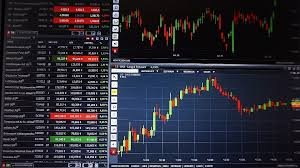
Technical analysis involves analyzing past price movements to predict future price behavior. By studying charts and identifying patterns, traders can make informed decisions. Popular indicators include Moving Averages, Relative Strength Index (RSI), and Bollinger Bands. Combining multiple indicators can provide stronger signals.
3. Stay Informed of Economic Indicators
Economic indicators, such as interest rates, inflation, and employment figures, play a vital role in currency valuation. Staying updated on global economic news can help you anticipate market movements. Tools like an economic calendar can keep you informed about upcoming reports that may impact your trades.
4. Implement Risk Management Techniques
Effective risk management is crucial for long-term success in Forex trading. Always use stop-loss orders to limit potential losses. A common rule is to risk only 1-2% of your trading capital on any single trade. This approach ensures that a few unsuccessful trades won’t deplete your account.
5. Practice with a Demo Account
Before risking real money, consider practicing with a demo account. This allows you to hone your trading skills without financial risk. Many trading platforms offer demo versions that simulate real market conditions.
6. Continuously Evaluate and Adapt
The Forex market is fluid and constantly changing. Regularly evaluate your trading strategies and performance. Keep a trading journal to document your trades, the rationale behind them, and their outcomes. Analyzing your history can reveal valuable insights and help refine your approach.
Conclusion
While Forex trading presents many opportunities for profit, it is essential to approach it with a well-informed strategy and discipline. By developing a solid trading plan, leveraging technical analysis, and implementing sound risk management techniques, you can increase your chances of success. Always remember that consistent evaluation and adaptation of your strategies based on market conditions are crucial to thriving in this fast-paced environment.
With dedication, continuous education, and practice, you can navigate the complexities of Forex trading and work towards maximizing your profit potential.
